Skincare labels are crafted to persuade, not to educate. Phrases such as "dermatologist-approved," "clinically proven," or "natural" are designed to inspire confidence, yet they often divert attention from what truly determines a product's value and safety: its formulation. Dermatologists do not read labels for reassurance; we read them analytically, examining ingredients, concentrations, mechanisms of action, and potential for harm. When consumers learn to do the same, they move from passive trust to informed choice.
This distinction matters because the cosmetics and beauty industry is not a niche enterprise, it is a global commercial giant. The beauty and personal care market, encompassing skincare, cosmetics, haircare, and related products, is valued at well over half a trillion dollars annually, with estimates for 2024 ranging from approximately $540 to $650 billion, and continued growth projected over the coming decade. It is an industry with immense marketing sophistication, vast financial resources, and a powerful incentive to influence consumer perception.¹,²
Within this context, labels carry weight and therefore risk. Terms such as "dermatology tested" or "dermatologist approved" sound medical, but they are not regulated, standardized, or independently verified. As a dermatologist, I have never been asked to formally assess, approve, or endorse a skincare product. Nor, notably, has any one of the 180 dermatologists in my professional discussion group. This inevitably raises the question: who, exactly, is doing the approving?
The uncomfortable reality is that "dermatologist approved" has no legal definition. It does not require peer review, robust clinical trials, or oversight by a dermatologic authority. It does not guarantee independence, expertise, or even active clinical practice. In many cases, it reflects internal testing protocols or marketing arrangements rather than meaningful dermatologic evaluation. The language borrows medical credibility without being bound by medical accountability.
When such claims are taken at face value, consumers may mistake marketing for medical endorsement and reassurance for evidence. In a largely unregulated industry of this scale, that distinction is critical. Labels are not neutral; they are strategic. Understanding this does not mean rejecting skincare products altogether, it means reading them with discernment.
In dermatology, trust is built on transparency, evidence, and context, not slogans. Until marketing language is held to the same standards as medical claims, the safest approach remains a critical one: look beyond the label, interrogate the ingredients, and let science, not sentiment, guide skincare decisions.
Dermatologists read labels with a clinical eye, focusing on ingredients, concentrations, and function rather than marketing language. Understanding how to do the same empowers patients to make informed, skin-safe choices.
1. Start With the Ingredient List, Not the Front Label
The most valuable information is found on the back of the product. Ingredients are listed in descending order by concentration until the 1% threshold is reached; beyond this point, ingredients may appear in any order. This means the first five to seven ingredients typically make up the bulk of the formulation.
If a product advertises a "hero ingredient" that appears near the end of the list, its clinical impact is likely minimal.
2. Learn to Identify the Functional Categories
Dermatologists mentally group ingredients by what they do:
- Cleansers: surfactants such as sodium lauryl sulfate, cocamidopropyl betaine
- Moisturizers: humectants (glycerin, hyaluronic acid), emollients (ceramides, squalane), and occlusives (petrolatum, dimethicone)
- Actives: ingredients that target specific conditions, such as retinoids, niacinamide, salicylic acid, azelaic acid
- Preservatives and stabilizers: necessary for safety, though often misunderstood
A well-formulated product balances efficacy with tolerability—more actives do not always mean better results.
3. Understand Active Ingredients and Their Evidence
Active ingredients should be chosen based on the skin concern being treated, not popularity.
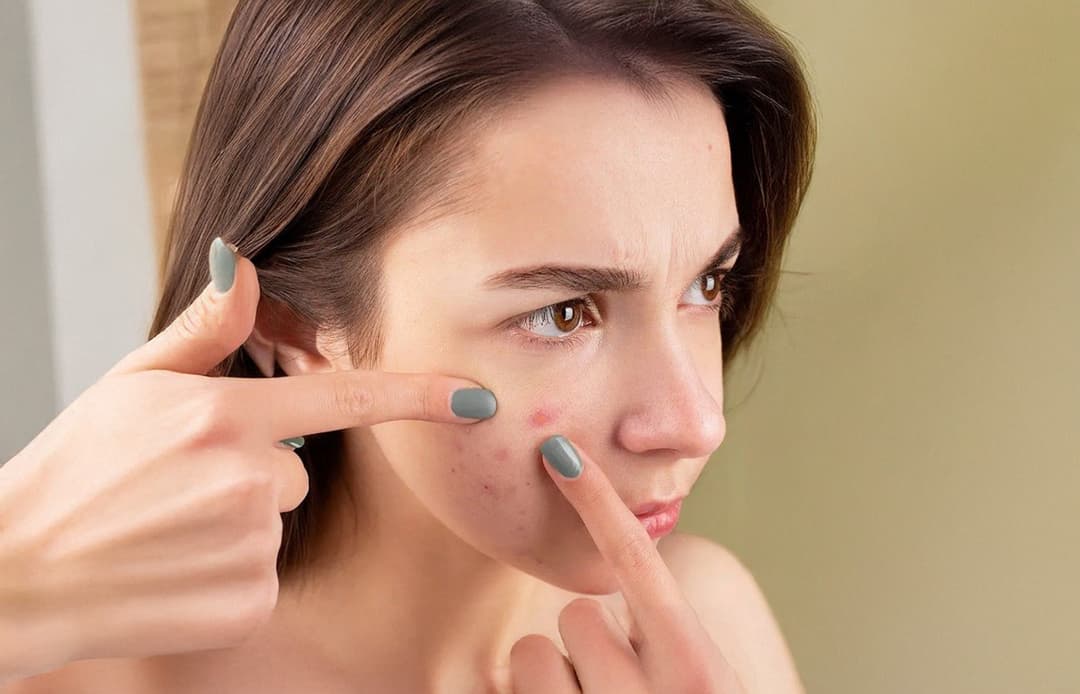
- Acne: salicylic acid, benzoyl peroxide, retinoids
- Pigmentation: azelaic acid, tranexamic acid, niacinamide
- Aging: retinoids, broad-spectrum sunscreen, antioxidants
- Eczema-prone skin: ceramides, colloidal oatmeal, glycerin
Dermatologists look for ingredients supported by clinical evidence rather than anecdotal claims or trends.
4. Be Cautious With Fragrance and Essential Oils
Fragrance, whether synthetic or "natural", is a leading cause of contact dermatitis. On labels, it may appear as "fragrance," "parfum," or as essential oils such as lavender, citrus, or tea tree oil.
For sensitive, acne-prone, or eczema-prone skin, fragrance-free formulations are generally preferred.
5. Marketing Terms Are Not Regulated
Words such as "clean," "non-toxic," "medical-grade," or "dermatologist-tested" have no standardized regulatory definition. They do not guarantee safety, effectiveness, or suitability for your skin type.
Dermatologists rely on ingredient lists and formulation logic, not branding, to assess quality.
6. Pay Attention to Potential Irritants
Common culprits include:
- High concentrations of alcohols
- Overlapping exfoliants (multiple acids in one product)
- Harsh surfactants in cleansers
- Long ingredient lists with multiple botanical extracts in sensitive skin
More complex formulations increase the risk of irritation without necessarily improving outcomes.
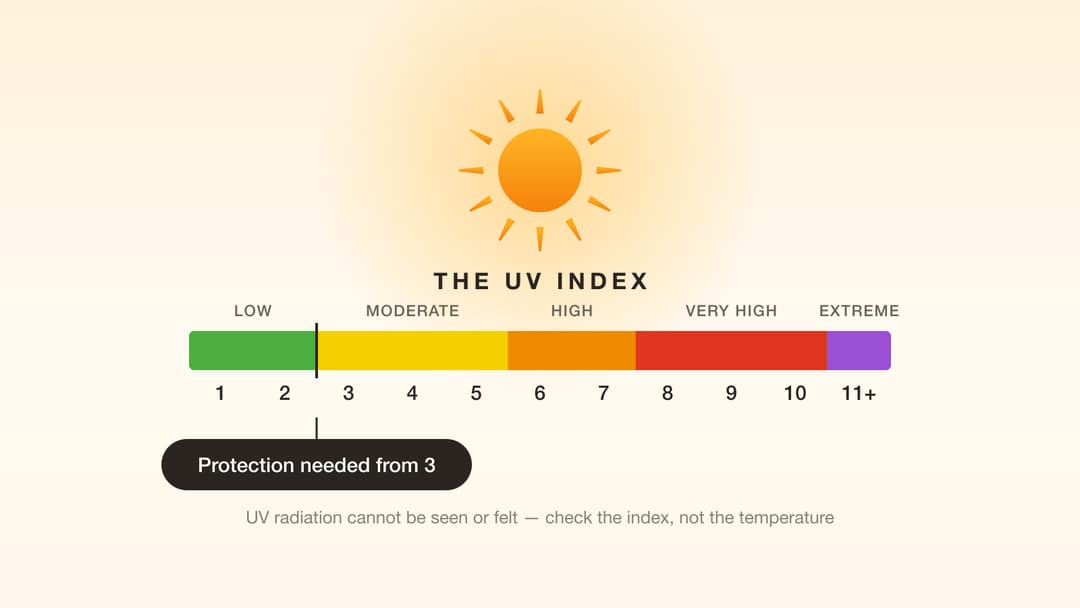
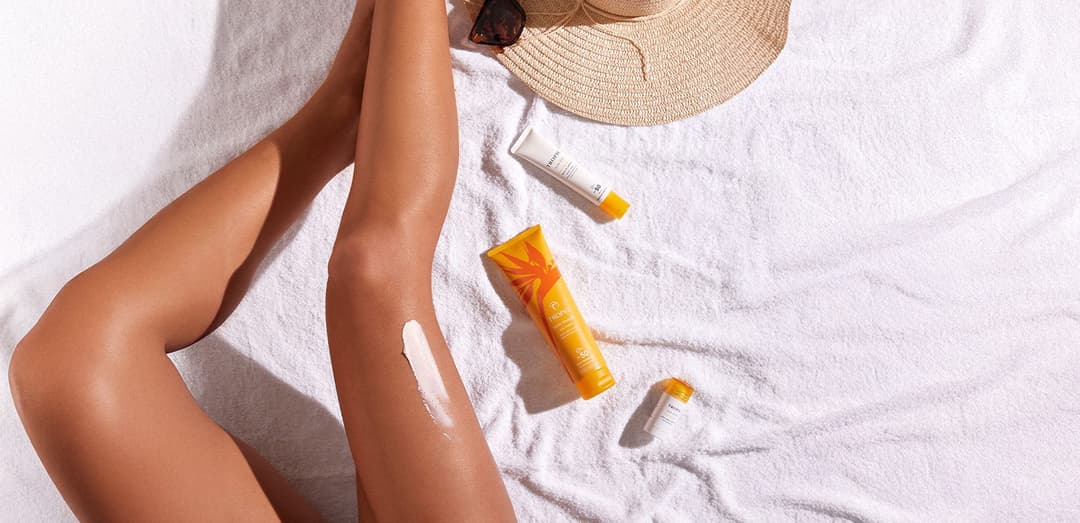
7. Sunscreen Labels Deserve Special Scrutiny
For sun protection, dermatologists check for:
- Broad-spectrum coverage (UVA and UVB)
- SPF 30 or higher
- Reliable filters such as zinc oxide, titanium dioxide, avobenzone
Texture, cosmetic elegance, and skin compatibility determine whether sunscreen is used consistently, arguably the most important factor of all.
Refer to the article on sunscreen on this site for more detailed information.
8. Simpler Is Often Better
A common misconception is that effective skincare must be elaborate. In reality, a short ingredient list with well-studied components is often more beneficial, especially for compromised or reactive skin.
Consistency, correct use, and patience matter more than novelty.
Final Takeaway
Reading a skincare label like a dermatologist means cutting through marketing noise and focusing on formulation science. When consumers understand what ingredients do, and what they do not do, they are better equipped to choose products that support skin health rather than undermine it.