Hot Summer, High UV: What Your Skin Wants You to Remember

Doctor Grilo Licencsed Practitioner Article Writer

17 August 2026 article by Dr. Nella Grilo MBBCh, FCDerm(SA)

Hot Summer, High UV: What Your Skin Wants You to Remember | Doctor Grilo Dermatologist

Introduction

It's a hot summer, the days are long, and many of us are spending more time outdoors.

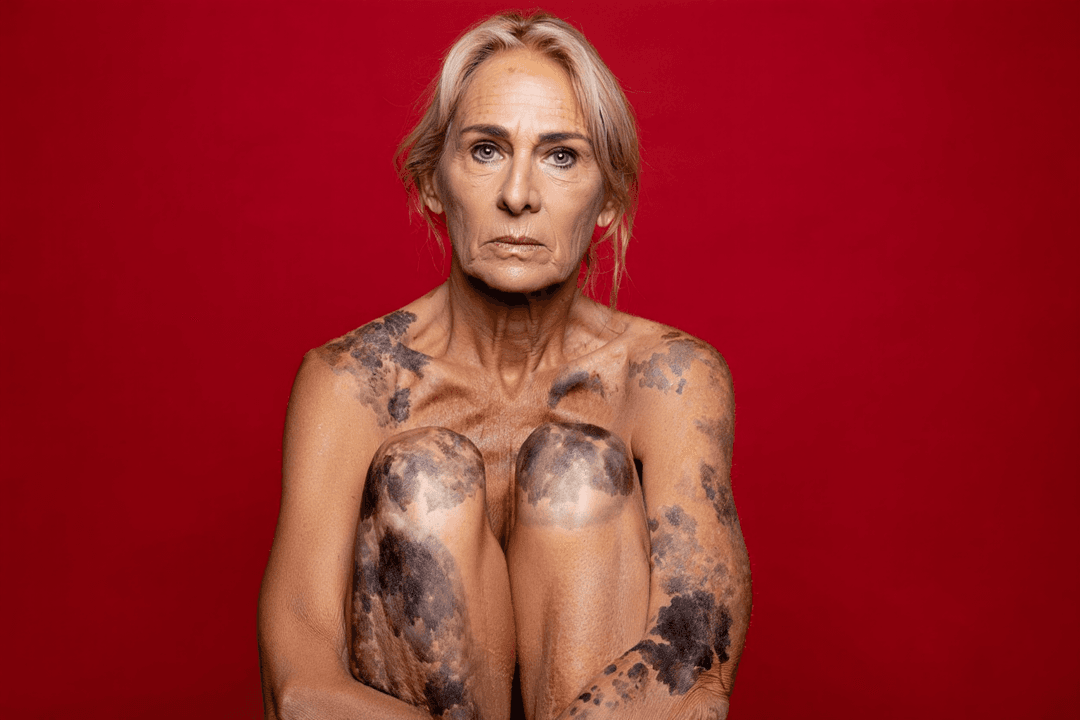
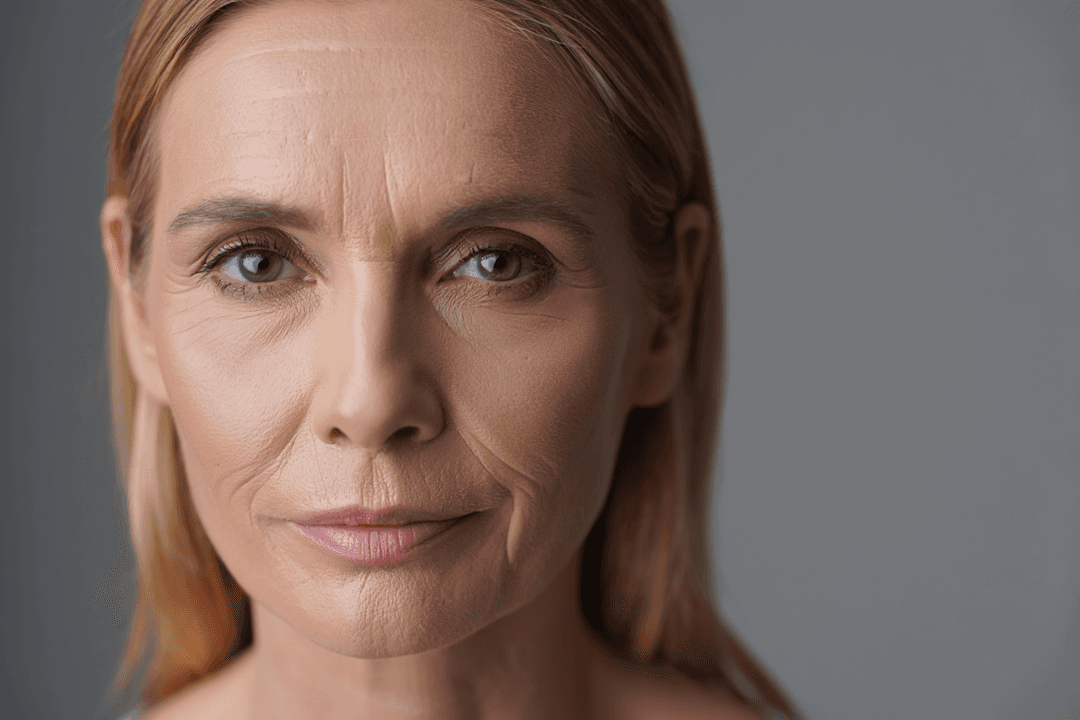
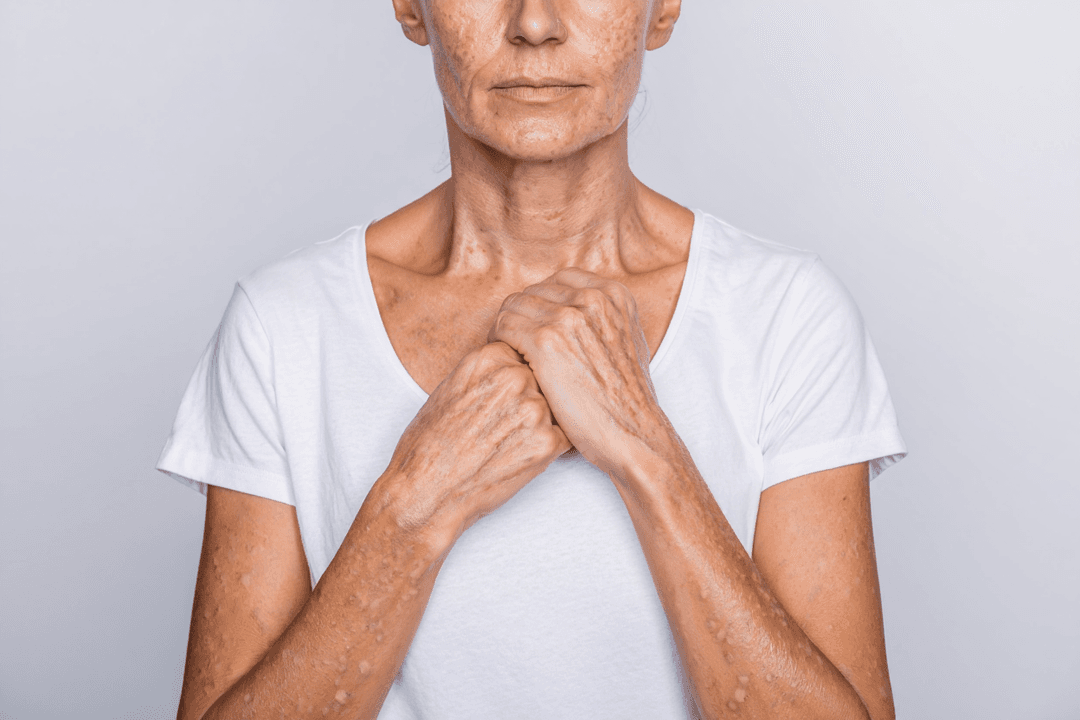
As dermatologists, this is also the time of year when we see the consequences of increased ultraviolet (UV) exposure, from sunburn and pigmentation to premature skin ageing and, over the longer term, skin cancer.

So, as you enjoy the summer, here are some important reminders about protecting your skin.


You don't need to burn to damage your skin

One of the most common misconceptions about sun exposure is that if you don't burn, you haven't damaged your skin.

Unfortunately, this isn't true.

UV radiation can damage the skin without necessarily causing visible redness or a sunburn. Excessive UV exposure is a major preventable risk factor for skin cancer, including melanoma and non-melanoma skin cancers [1,6].

This means that someone who tans easily and rarely burns can still be accumulating significant UV damage.

Read more about melanoma and how it is detected


A tan is not a sign of healthy skin

A tan may look healthy, but biologically it represents the skin responding to UV radiation.

When the skin is exposed to UV, melanocytes increase melanin production. The resulting pigmentation provides some protection, but it does not make tanning safe.

A tan is a response to UV exposure — not a sign that your skin is becoming healthier.

This applies whether the tan comes from lying on the beach, sitting beside the pool or using a sunbed. The European Code Against Cancer recommends avoiding excessive sun exposure and never using sunbeds [4].

More on why you should never deliberately tan


"I only went a little pink"

It is easy to dismiss mild redness after a day in the sun.

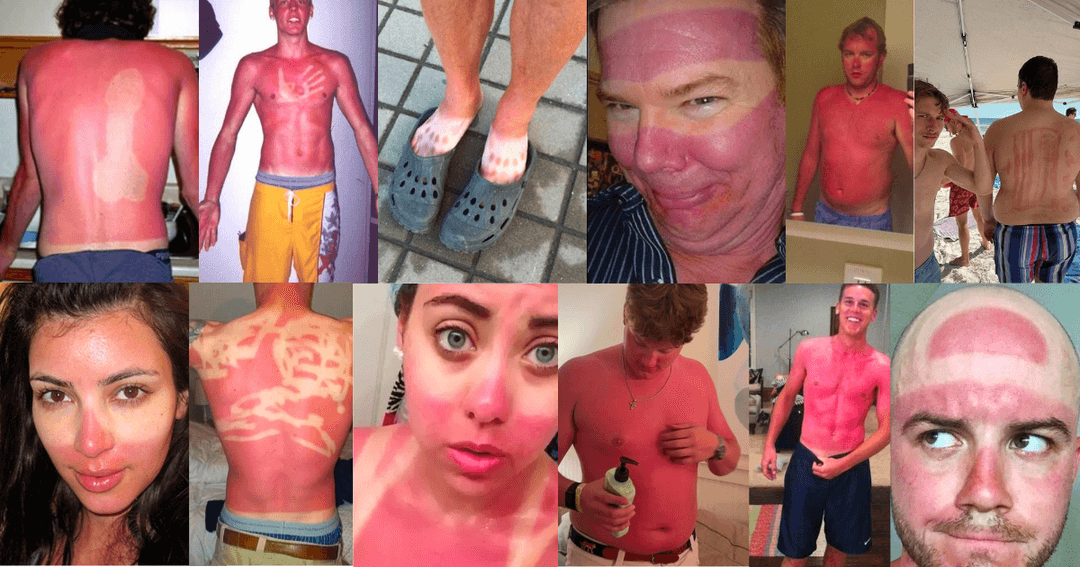
But sunburn is a visible sign of UV-induced skin injury. Repeated sunburns are associated with an increased risk of melanoma.

A large meta-analysis of 51 independent study populations found that melanoma risk increased with increasing numbers of sunburns during childhood, adolescence, adulthood and over a lifetime [5].

So even if you don't blister or peel, sunburn is something we should try to prevent — not something to regard as harmless.


Sunburn fades — the damage doesn't simply disappear

The redness settles. The peeling stops. Eventually the skin looks normal again.

But the biological effects of UV exposure don't necessarily disappear when the visible signs do.

UV damage is cumulative.

Repeated exposure contributes to premature skin ageing and increases the risk of skin cancer [1,4,6].

This is why protecting your skin consistently is important, even if you have never experienced a dramatic sunburn.


What about repeated sunburns?

You may have heard different rules about how many sunburns are "too many" — from "three strikes and you're out" to the often-quoted figure of five sunburns doubling your risk.

The reality is more nuanced.

There isn't a magic number of sunburns at which your melanoma risk suddenly changes. Rather, research shows a dose-response relationship: as the number of sunburns increases, so does the risk of melanoma. This association has been observed for sunburns occurring during childhood, adolescence, adulthood and across a lifetime [5].

There are, however, some specific figures worth knowing. The American Academy of Dermatology reports that experiencing five or more blistering sunburns between the ages of 15 and 20 is associated with an 80% increase in melanoma risk [6].

So rather than counting sunburns and waiting for a particular number, the practical message is much simpler:

Every sunburn is one to avoid. The fewer sunburns you experience over your lifetime, the better.

And this is particularly important for children and teenagers, when preventing excessive UV exposure can help reduce skin-cancer risk later in life [1,5,6].


Your skin doesn't only need protection at the beach

UV exposure happens during everyday life too.

Walking, exercising, gardening, playing sport, eating lunch outdoors or sitting beside a swimming pool can all contribute to your cumulative UV exposure.

And remember: UV radiation cannot be seen or felt.

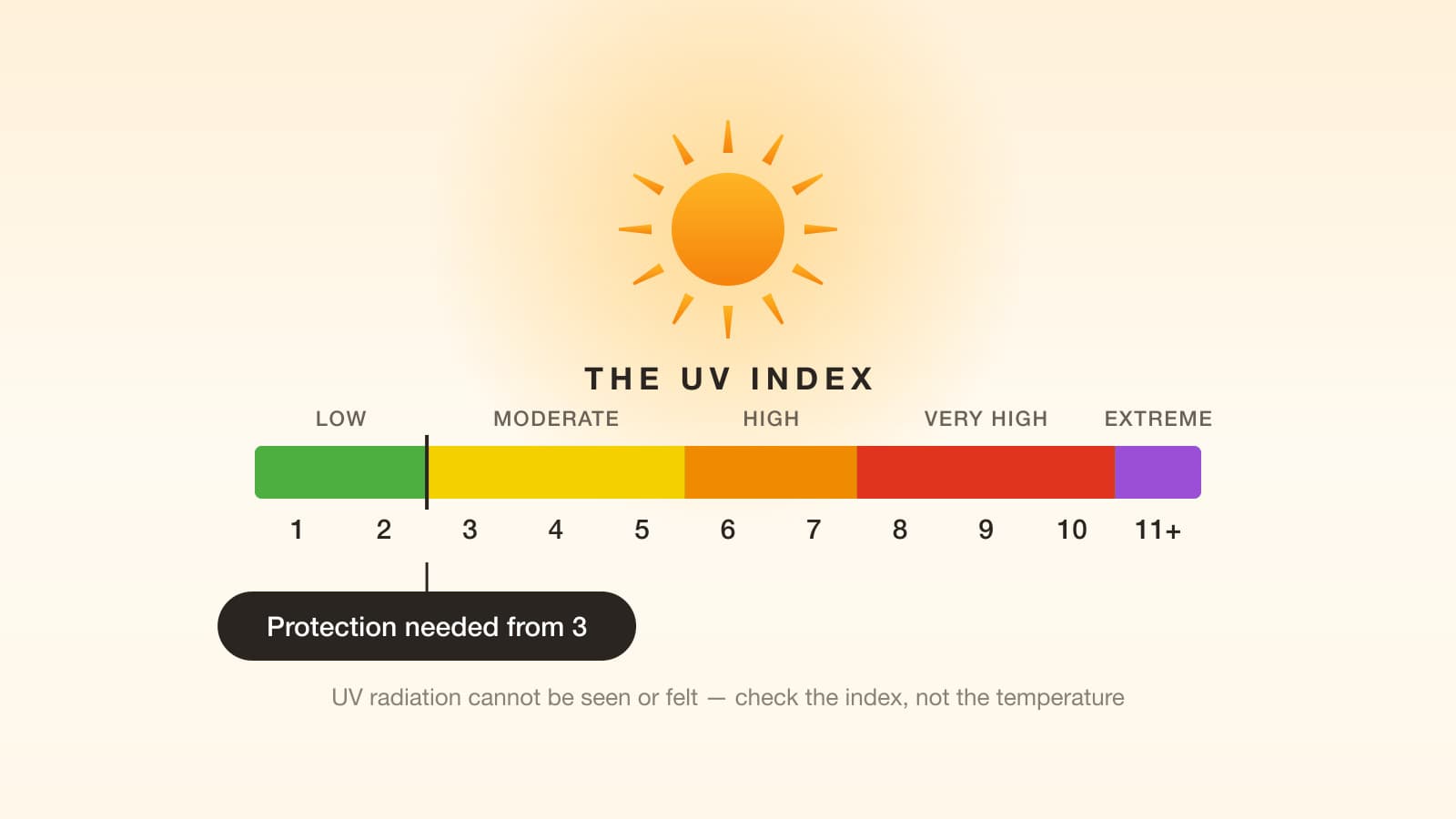
A cool or cloudy day does not necessarily mean that UV levels are low. The UV Index is a much better guide to UV intensity than temperature.

The World Health Organization recommends sun-protection measures when the UV Index reaches 3 or above [1,3].

Why sun protection matters every day


So, what should you actually do?

Summer should absolutely be enjoyed. Good sun protection doesn't mean staying indoors — it means reducing unnecessary and excessive UV exposure.

1. Check the UV Index

Don't judge UV exposure by how hot it feels.

The higher the UV Index, the greater the potential for skin and eye damage. The UV Index provides a useful guide to when additional sun protection is needed [1,3].

2. Seek shade

Try to reduce prolonged direct exposure, particularly when the sun is strongest.

Shade is especially useful during the middle part of the day and during the summer months [2,4,6].

Remember, however, that shade does not eliminate UV exposure completely, particularly around reflective surfaces such as water, sand and snow [4,6].

3. Cover up

Clothing, a wide-brimmed hat and UV-protective sunglasses provide excellent physical protection.

For prolonged outdoor activities, clothing can be one of the most effective ways of reducing UV exposure. Where possible, consider clothing labelled with an ultraviolet protection factor (UPF) [2,6].

4. Use sunscreen — but don't use it to extend your time in the sun

Choose a sunscreen that provides:

  • Broad-spectrum UVA and UVB protection
  • SPF 30 or higher
  • Water resistance, particularly if swimming or exercising outdoors

These are the three key features recommended by the American Academy of Dermatology [7].

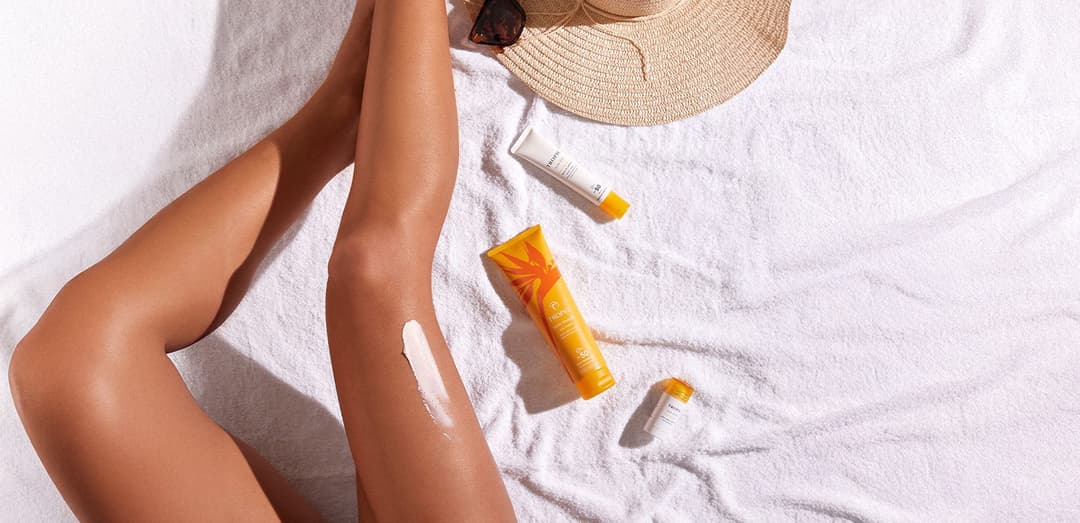
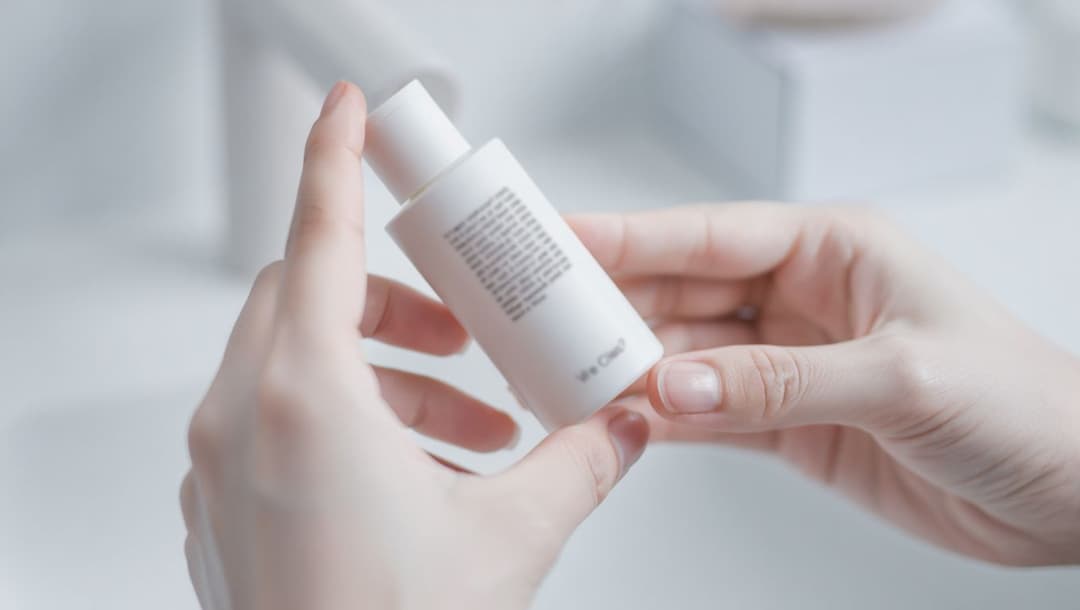
Apply sunscreen generously to exposed skin and reapply as directed, particularly after swimming, sweating or towel drying. The AAD recommends reapplying approximately every two hours when outdoors, and after swimming or sweating [6,7].

And remember: sunscreen should complement shade and protective clothing — not be used as a way of extending the amount of time you spend in direct sunlight [1,2].

Everything you need to know about choosing and applying sunscreen

5. Don't forget the easily missed areas

Ears, the hairline, scalp, neck, décolletage, backs of the hands and tops of the feet are frequently overlooked.

These areas can receive considerable cumulative UV exposure and should be included whenever you apply sunscreen [6].

See what missed areas actually look like


And finally…

Summer is meant to be enjoyed.

We don't need to fear the sun — but we do need to respect UV radiation.

You don't need a blistering sunburn to have experienced excessive UV exposure. You don't need to turn red for UV damage to occur. And a tan is not a sign of healthy skin.

Protect your skin now, because the skin you're protecting today is the skin you'll have for the rest of your life.

References
  • 1. World Health Organization. Ultraviolet radiation. WHO. 21 June 2022.
  • 2. World Health Organization. Radiation: Protecting against skin cancer. WHO. 16 July 2024.
  • 3. World Health Organization. Radiation: The known health effects of ultraviolet radiation. WHO.
  • 4. International Agency for Research on Cancer (IARC). European Code Against Cancer, 5th Edition: Sun protection. Recommendation 8: Avoid too much sun exposure. Use sun protection. Never use sunbeds.
  • 5. Dennis LK, VanBeek MJ, Beane Freeman LE, et al. Sunburns and risk of cutaneous melanoma, does age matter: a comprehensive meta-analysis. Ann Epidemiol. 2008;18(8):614–627. doi:10.1016/j.annepidem.2008.04.006
  • 6. American Academy of Dermatology. Melanoma. AAD. Updated 2026. https://www.aad.org/media/stats-melanoma
  • 7. American Academy of Dermatology. How to select a sunscreen. AAD. https://www.aad.org/spot-skin-cancer/learn-about-skin-cancer/prevent-skin-cancer/how-to-select-a-sunscreen

You might be interested in

Why Is My Hair Falling Out?

Why Is My Hair Falling Out?

Hair loss (alopecia) is a common concern affecting individuals of all ages and genders. This comprehensive guide explores the diverse causes of hair loss, from genetic factors and hormonal imbalances to nutritional deficiencies and autoimmune disorders. Learn about the hair growth cycle, common types of alopecia, and evidence-based approaches to diagnosis and management.

Read More ->
How to Read a Skincare Label Like a Dermatologist

How to Read a Skincare Label Like a Dermatologist

Skincare labels are crafted to persuade, not to educate. Learn how dermatologists read labels analytically, examining ingredients, concentrations, mechanisms of action, and potential for harm. Discover how to move from passive trust to informed choice by understanding what truly determines a product's value and safety.

Read More ->
Melanoma Skin Cancer

Melanoma Skin Cancer

Melanoma is the most lethal form of skin cancer, arising from melanocytes. This guide delves into its causes, types, early detection using the ABCDE rule, staging systems like Breslow Depth and AJCC, and modern treatment options including surgery, immunotherapy, and targeted therapy.

Read More ->
Aging Gracefully: The Truth About Wrinkles

Aging Gracefully: The Truth About Wrinkles

Wrinkles are a natural part of the aging process, resulting from a combination of internal biological changes and external environmental factors like sun exposure. This guide explains why we get wrinkles and outlines evidence-based strategies to slow their development and maintain healthier, more resilient skin.

Read More ->
The Accidental Art of Sunburn: A Humorous Look at Photoprotection Failures and the Serious Science Behind Them

The Accidental Art of Sunburn: A Humorous Look at Photoprotection Failures and the Serious Science Behind Them

From sunglass tans to Croc foot burns. Explore hilarious sunscreen fails that reveal serious skin cancer risks. Learn proper UV protection through these cautionary (and comedic) tales of photoprotection gone wrong.

Read More ->
Non-Melanoma Skin Cancer: An Essential Guide

Non-Melanoma Skin Cancer: An Essential Guide

Skin cancer ranks among the most common cancers worldwide. While melanoma often receives the most attention, non-melanoma skin cancer (NMSC) is actually far more prevalent, affecting millions annually. Fortunately, when detected early, most NMSC cases respond well to treatment. This guide explains what NMSC is, its warning signs, and prevention methods.

Read More ->
Why does my skin itch?

Why does my skin itch?

Itchy skin, or pruritus, is a common yet often underestimated nuisance that can disrupt daily life and sleep with remarkable persistence. Whether fleeting or chronic, the sensation of an itch is the body’s way of signaling that something – however minor or significant – requires attention. If your skin feels as though it has declared mutiny, here’s a guide to potential causes behind the relentless urge to scratch.

Read More ->
Stubborn Pigmentation

Stubborn Pigmentation

Struggling with stubborn facial pigmentation? This in-depth guide covers the causes, treatments, and best management strategies for melasma, sunspots, post-inflammatory hyperpigmentation, and more. Learn how to effectively fade dark spots using skincare, chemical peels, lasers, and essential sun protection. Discover expert insights on the latest treatments and why consistency is key to long-term results. Read on to regain clear, even-toned skin.

Read More ->
Sunscreen - All you need to know

Sunscreen - All you need to know

Discover everything about sunscreen, from choosing between chemical and mineral options to understanding their benefits for different skin types. Learn how sunscreen works, tips for avoiding the white cast, and why broad-spectrum SPF 30+ is essential for protecting your skin. Get expert advice on application, safety, and environmental impact to ensure effective sun protection.

Read More ->
What are the best Sun Protection Strategies?

What are the best Sun Protection Strategies?

Learn the best sun protection strategies to keep your skin safe and healthy! Discover why any tan signals damage, how to apply sunscreen properly, and the importance of shade, UPF clothing, and avoiding tanning beds. Stay sun-smart with tips from Australia’s ‘Slip, Slop, Slap, Seek, and Slide’ campaign to reduce sun damage, aging, and skin cancer risks.

Read More ->
Understanding Acne Rosacea - Battling the Blush

Understanding Acne Rosacea - Battling the Blush

Discover everything about acne rosacea, a chronic skin condition causing persistent redness, visible blood vessels, and bumps. Learn its symptoms, triggers, and treatments, plus effective self-care tips to regain control of your skin and confidence.

Read More ->
Acne Management

Acne Management

Discover effective acne management strategies tailored to your needs. Explore evidence-based treatments like topical therapies, antibiotics, hormonal agents, isotretinoin, and lifestyle adjustments. Learn how personalized care can lead to clearer skin and improved confidence.

Read More ->
Treatment Guidelines for Acne and Grading of Acne Severity

Treatment Guidelines for Acne and Grading of Acne Severity

Explore comprehensive treatment guidelines for acne and expert insights into the grading of acne severity. From mild to severe cases, explore evidence-based strategies for managing acne vulgaris, including personalized care plans, topical and oral treatments, and tips for preventing scarring. Learn about the importance of addressing individual needs and circumstances to enhance patient outcomes. Visit our detailed guide to understand effective treatment protocols tailored to each acne severity level, empowering patients to achieve clearer, healthier skin.

Read More ->
What is acne?

What is acne?

Discover everything you need to know about acne, from the causes and types of acne lesions to the impact of diet and lifestyle on your skin health. Learn effective management strategies to improve both your skin and well-being.

Read More ->
The Dangers of Dry Skin

The Dangers of Dry Skin

Dry skin poses more than just cosmetic concerns; it compromises the skin's protective barrier, leading to irritation, itching, and increased vulnerability to allergens and infections. In this article, we explore the essential role of the skin in overall health, the physiology behind dry skin, and practical solutions for restoring moisture. Learn how proper moisturization, emollients, and avoiding harmful ingredients like sodium lauryl sulfate (SLS) can keep your skin healthy, hydrated, and resilient.

Read More ->
What does a dermatologist do?

What does a dermatologist do?

A dermatologist is a medical expert in skin, hair, and nail health, treating conditions like acne, eczema, psoriasis, and skin cancer. They perform procedures such as mole removal, biopsies, and cosmetic treatments like Botox and laser therapy. Dermatologists also focus on skin cancer prevention and hair and nail disorders, helping patients achieve healthy skin and overall well-being.

Read More ->
Why Sun Protection is Important

Why Sun Protection is Important

Sun protection is essential to prevent skin damage and reduce the risk of skin cancer. Harmful UV rays cause premature aging, sunburn, and increase the likelihood of developing conditions like melanoma. Using a broad-spectrum sunscreen with at least SPF 30 protects against both UVA and UVB rays, safeguarding your skin’s health. Learn why sun protection is a critical step in maintaining healthy, youthful skin.

Read More ->
Disclaimer

The information provided in this article is based on the clinical expertise and intellectual knowledge of the author. It is intended for informational purposes only and should not be considered as medical advice or a substitute for professional medical consultation, diagnosis, or treatment. Readers are advised to consult with qualified healthcare providers for personalized medical advice regarding specific conditions or concerns. The author and publisher are not responsible for any adverse effects or consequences resulting from the use or application of the information contained in this article.